
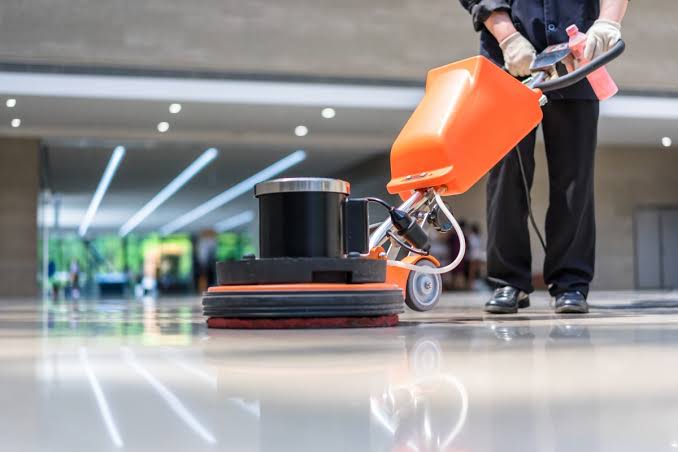
Mastering Floor Care: How to Clean Different Types of Floors
Cleaning your floors is not just a way of beautifying your house. It also assists in prolonging the life of your flooring, makes your indoor environment healthier and safeguards your investment. Nevertheless, the cleaning of all floors does not need the same techniques. The incorrect products or methods may lead to scratches, fading, or irreversible damage.
With hardwood, tile, laminate, vinyl, or carpet, the difference between the cleaning method and the right one will be determined by the knowledge of the cleaning method. This manual will show how to clean various floor types in a safe and effective way to ensure that all surfaces are at their best.
Understand Your Flooring Before You Clean
It is worthwhile to determine the type of flooring in your house before grabbing a mop or cleaning solution. Each material possesses its own peculiarities and demands special attention. As an example, hardwood is moisture sensitive whereas tile can withstand more water but requires frequent grout repairs.
Always consult the care guidelines of the manufacturer in case they are available. When you use products that are specifically meant to be used on your flooring, you will avoid unnecessary wear and your floors will be in great condition even after many years.
It is also important to have the floor swept or vacuumed regularly, irrespective of the flooring material. Small particles of dirt, sand, and grains can serve as sandpaper to the feet and slowly scratch and dull the surface.
Best Practices for Cleaning Hardwood Floors
Hardwood floors are a source of warmth and value to any home; however, they need careful handling to retain their natural beauty. Begin by sweeping with a soft-bristle broom or a vacuum cleaner that is used on hardwood floors to get rid of dust and debris.
Use a damp microfibre mop when mopping instead of a soaking wet mop. Too much water may creep into the wood, swell, warp or stain. Select a cleaner that is specially designed to clean hardwood rather than harsh chemicals or vinegar-based cleaners that can ruin some finishes with time.
To ensure even greater protection of hardwood floors, put mats at the entrance to minimize the dirt that is tracked in and place felt pads under furniture to avoid scratches. Immediate cleaning of the spills also prevents water damage and staining.
How to Keep Tile and Grout Looking Fresh
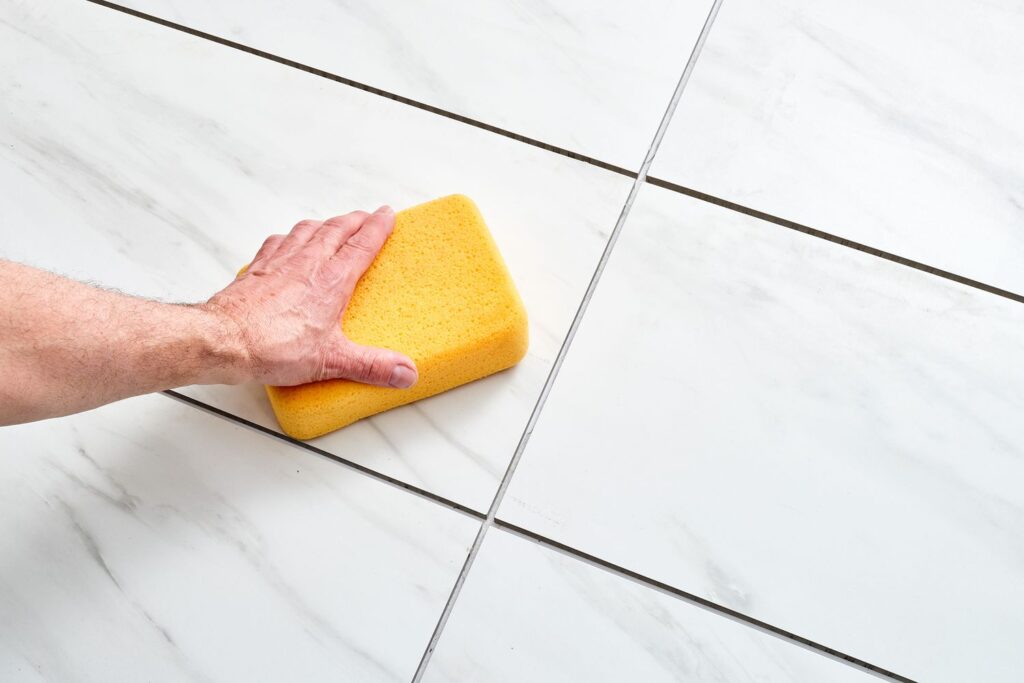
The tile flooring is very strong, waterproof and comparatively simple to clean and thus is commonly used in kitchens, bathrooms and doorways. Sweep or vacuum frequently to get rid of loose dirt then mop with warm water and pH-neutral floor cleaner.
Grout is one of the areas that might need additional consideration. The grout is porous and thus it can absorb dirt, grease and moisture and discolour in the long run. A light brush and a mild grout cleaner would be able to rejuvenate its look without ruining the rest of the tiles.
Avoid using abrasive scrubbers on polished tile surfaces, as they may leave scratches. Streaks and water spots on the floor can also be minimized by drying the floor after mopping, particularly on glossy finishes.
Proper Care for Laminate and Vinyl Flooring
Laminate and vinyl flooring are characterized by their low price, durability, and low maintenance. Despite the resistance of both materials to normal wear, too much moisture may still lead to issues, especially with laminate flooring.
Vacuum or sweep often to get dust and grit. Only a lightly damp microfibre mop should be used when mopping and standing water should not be left on the surface. Laminate or vinyl flooring cleaners are the best cleaners that do not leave behind any residue.
Always avoid using steam mops on laminate unless the manufacturer has given explicit approval. The presence of high heat and moisture can cause the protective layers to become weak or destroy the joints between the planks.
In the case of vinyl floors, dragging heavy furniture over the floor should be avoided as it may leave permanent marks or tears. Protective furniture pads can be used to maintain the appearance of the floor.
Effective Carpet Cleaning Tips
Carpet provides warmth, comfort, and sound insulation, but it also collects dust, allergens, pet hair, and everyday dirt. The initial step towards ensuring that carpets are clean and last longer is regular vacuuming. Vacuuming of high-traffic areas might be required multiple times a week.
Use a clean cloth to blot spills rather than rubbing them in, which will cause the stain to sink deeper into the fibres. Apply a carpet cleaner that corresponds to the stain type and always apply it to some hidden place first.
Professional deep cleaning once or twice a year gets rid of the dirt and allergens that are not accessible to household vacuums. This assists in rejuvenating the appearance of the carpet and enhancing indoor air quality.
Entrance mats and requesting family members or guests to take off their outdoor shoes can also help a lot in preventing the amount of dirt that is brought onto your carpets.
Common Floor Cleaning Mistakes to Avoid
Despite the good intentions, there are cleaning habits that may reduce the life of your flooring. A popular error is excessive use of water especially on hardwood and laminate floors. Over moisture may lead to irreparable damages that are expensive to fix.
The other error is the use of severe chemical cleaners that remove protective finishes or leave traces. Always apply products that are suggested to be used on your particular flooring.
Skipping regular maintenance is another issue. The presence of dirt and grit will predispose the surface to scratches and wear. Regular light cleaning tends to be more efficient than heavy cleaning that is done occasionally.
Lastly, do not use coarse scrub brushes or abrasive pads unless they are specifically meant to be used on your flooring. Light cleaning techniques usually have long term better results and they do not harm the finish of the floor.